DESTINATION TAGS · PAYMENTS TO SHARED ADDRESSES
Destination tags, explained
Why an exchange asks for a number – and what happens without it.
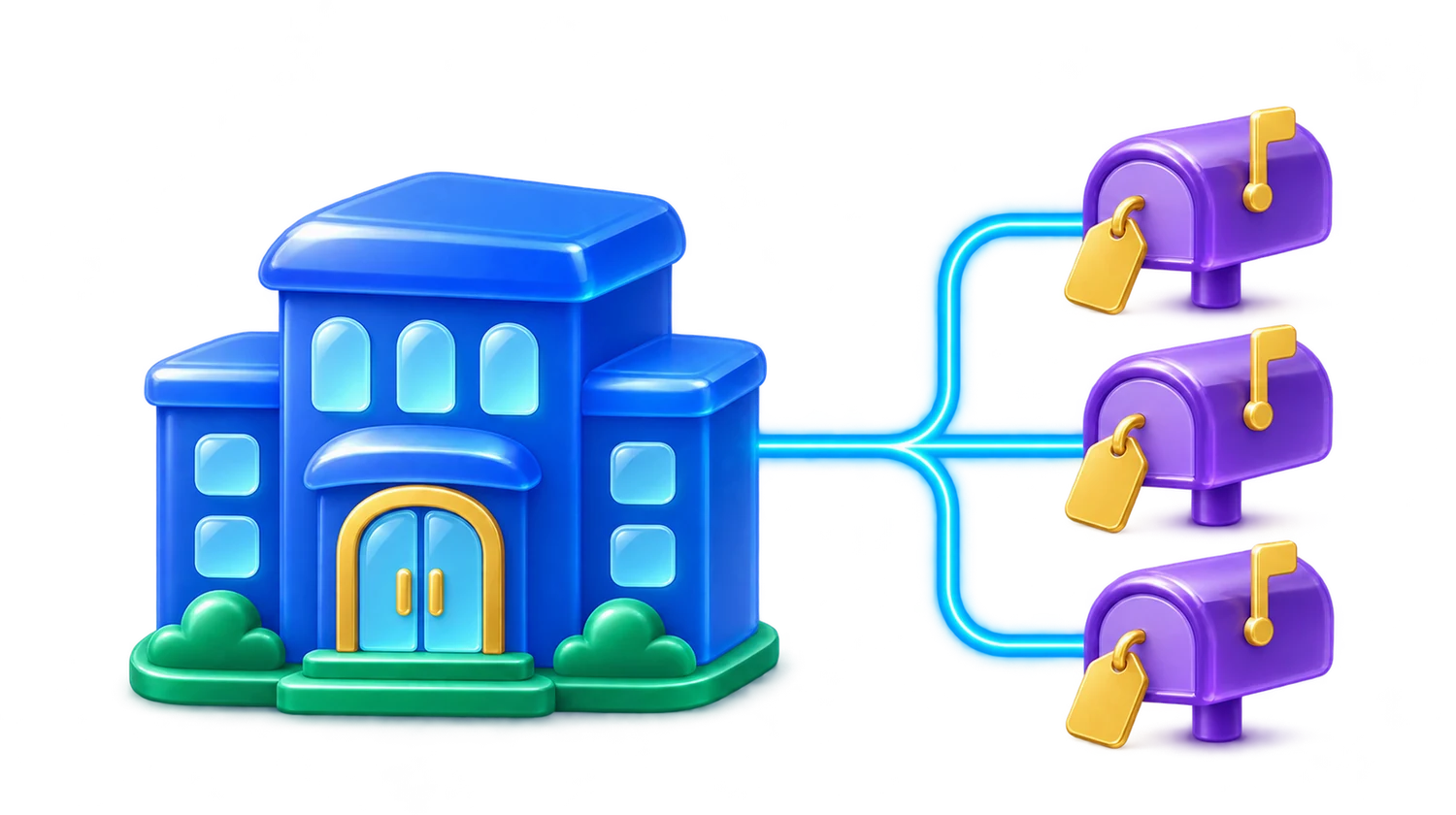
Exchanges and other services often use one XRP Ledger address for many customers. The destination tag is a number in the payment that says which customer it is for. Forget it, and the exchange may not know whose money arrived.
Simulator
How a tagged payment works
Six steps, from deposit page to credit.
- 01

One address, many customers
An exchange uses one shared XRP Ledger address. An address for every customer would need a reserve for each one.
- 02

You get your own tag
Your deposit page shows the exchange address plus your personal destination tag, a number like 12345678.
- 03

Add it to the payment
In your wallet you enter both: the address and the destination tag. The tag becomes part of the transaction.
- 04
The ledger delivers
The payment lands in the exchange's address. The ledger does nothing else with the tag – it just carries it.
- 05
The exchange credits you
The exchange's software reads the tag and credits your customer account.
- 06
No tag? It can be refused
If the address has Require Destination Tag turned on, the ledger rejects payments without a tag (tecDST_TAG_NEEDED) and your XRP stays with you.
Anatomy of a payment
Sending XRP to an exchange? You need two things.
rf1BiGeXwwQoi8Z2ueFYTEXSwuJYfV2Jpn
153214622The address is the company's phone number. The destination tag is the extension that puts you through to the right person.
When you send to an exchange or payment service that gave you a tag.
When you send to your own self-custody wallet. Add one only if the receiver asks for it.
Always copy the tag from the receiving service. A missing or wrong tag can delay your payment or get it refused.
What makes it different
- Just a number. A tag is a 32-bit unsigned integer: 0 to 4,294,967,295.
- Cheaper than many addresses. One funded address plus tags avoids a reserve for every customer.
- A safety switch. Services can require tags, so untagged payments are refused instead of lost in a shared pool.
- Source tags too. A source tag marks who sent a payment – use it as the destination tag when you return one.
Who uses them?
 Exchanges
 Payment services
 Merchants
An X-address packs the address and the tag into one string, so users can't forget the tag.
Key concepts, in plain English
Good to know
Always copy the tag exactly. A wrong or missing tag can delay a deposit, and you may need the exchange's support to fix it. Your own self-custody wallet usually needs no tag. Tags are public on the ledger – they are not a password.
Educational content. Not financial advice.Test your knowledge
5 questions · Every answer explained